Leather Cleaning & Care Kits | Schaper’s Supply
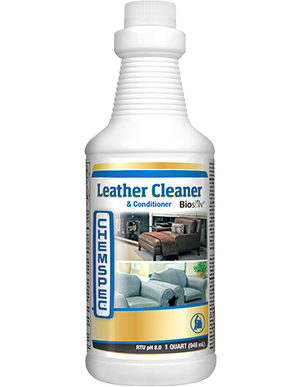
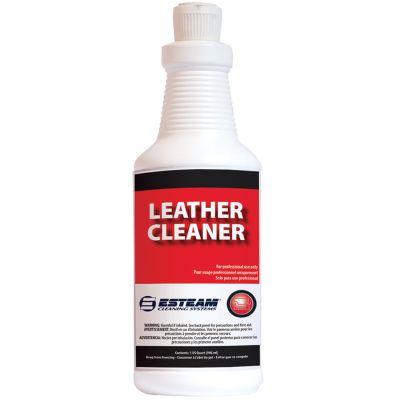
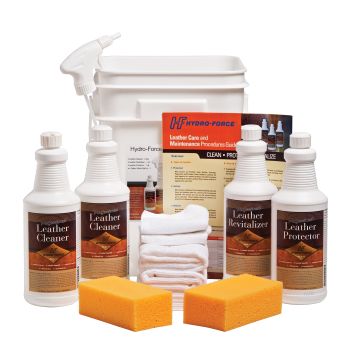
Leather requires specialized care and cleaning. The wrong chemicals or techniques can make leather crack, stiffen, or develop discoloration. Schaper's Supply provides gentle but hardworking cleaning materials for multiple different types of leather. Start with these leather cleaner tips and cleaning kits to keep leather pristine and supple.
Learn more about leather cleaning
How to Clean Leather
Smooth, aniline, suede, and patent leather all need different processes to remove stains and keep the surfaces undamaged. Here's a quick overview:
Cleaning Smooth Finished Leather
- Gently brush the surface of smooth finished leather clean with a soft cloth or a vacuum.
- Wipe the surface with a damp cloth that has a diluted soap solution or a specialty leather cleaner. Use gentle, circular strokes. Multiple passes are better than using strong force.
- Let the leather dry away from direct sunlight.
- Condition the leather to restore softness.
Cleaning Aniline and Semi-Aniline Leather
These materials are top-grain leather with soluble dyes and, in semi-aniline leathers, a pigment. You can clean stains by wiping the surface with a gentle soap solution on a cloth. After using any soap solution, wipe the surface with a damp rag that has just water. Then allow the surface to dry fully before conditioning it.
You can also maintain aniline and semi-aniline leather surfaces by dry dusting them, blotting away stains immediately, and proactively applying leather protection.
Cleaning Nubuck and Suede
Whenever possible, try to clean nubuck and suede with no moisture. Dry brushing and using specialty erasers can lift most stains. When that doesn't suffice, use a small amount of cleaner with a soft cloth, and immediately revive the nap to keep the leather's soft, fuzzy finish intact.
Depending on the product, you can lightly apply a waterproofing spray to ward off future wet stains.
Cleaning Patent Leather
Patent leather can be very fragile. Remove dust and debris with a dry cloth to wipe away debris. Only use a wet microfiber cloth on stubborn stains, and use a gentle motion. Specialty leather cleaners can remove stubborn stains, but carefully follow the manufacturer's exact instructions.
How to Identify Leather Types
Because there are so many different products and techniques, the most important step before applying a leather cleaner is knowing exactly what material you're working with.
Smooth Finished Leather
This leather is smooth, with no raised texture, and it has an even coloring.
Aniline and Semi-Aniline Leather
Aniline leather has visible pores and a natural-looking finish. It will quickly absorb any water droplets. Semi-aniline leather is smoother and more durable, but still has a natural-looking finish.
Nubuck and Suede
Nubuck and suede leathers are velvety or fuzzy. This makes them distinct from smoothly finished leathers. But they are made from different parts of the hide: suede is made with the underside, and nubuck is made from the top grain.
Patent Leather
Patent leather looks very glossy and sleek. The coating makes it shiny, very smooth, and water-resistant.
Dealing With Stains and Other Tips
While dealing with dirt and dry grime is relatively simple, stains are more challenging. If you can, blot away moist stains as soon as possible. If the stain has already been absorbed, dilute specialty leather cleaner in warm water, and carefully dab at the stain to remove it. Wipe the area down with a damp cloth to remove any lingering leather soap, and then let the material dry completely before reconditioning it.
How to Care for Leather
Over time, leather can dry out, becoming stiff and more vulnerable to cracking. You can maintain leather's suppleness and softness by conditioning it frequently. Look for cleaning kits that include conditioners, which are designed to add moisture back into the leather. Store leather goods in a cool, dark space, and cover the surface to keep dust and dirt away.